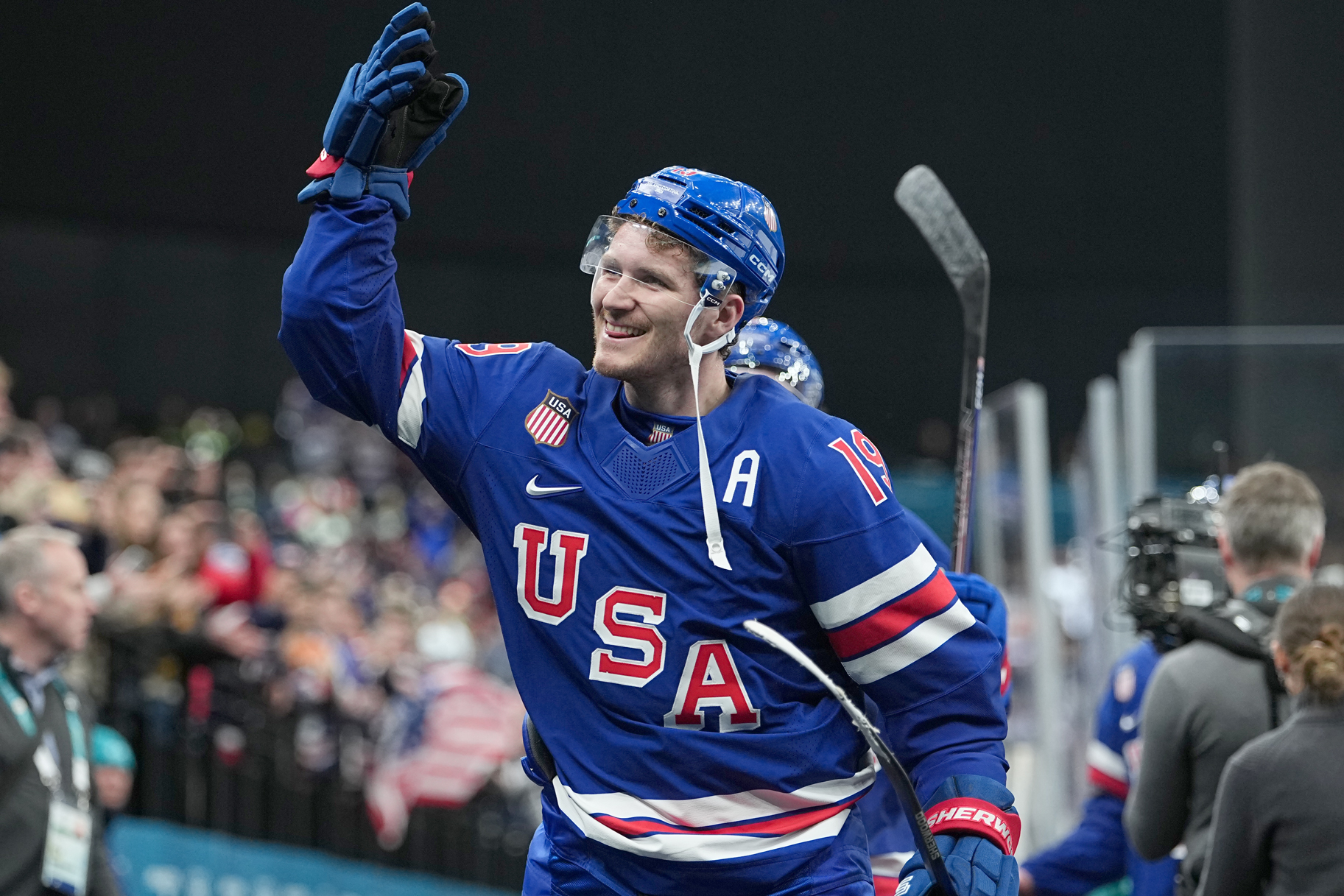
Classic Rivalry Rekindled: A Deep Dive into USA vs. Canada at the 2010 Vancouver Olympics
The 2010 Winter Olympics in Vancouver, British Columbia, delivered one of the most anticipated and electrifying hockey showdowns in recent memory: a group stage clash between the host nation, Canada, and their fierce rivals, the United States. More than just a preliminary round game, this encounter carried the weight of national pride, Olympic history, and a direct impact on the teams' paths to the gold medal. For fans eager to understand the historical context and the ingredients that make any
Usa Mens Hockey Next Game so compelling, this iconic contest provides a masterclass in international hockey.
The Stage is Set: High Stakes in Vancouver
The atmosphere in Vancouver was electric, with Canadian fans hoping for a triumphant home-ice performance. However, the path to Olympic glory is never easy, especially in men's ice hockey. The group stage match-ups for 2010 were designed to rekindle classic rivalries, with Canada facing the USA, Russia meeting the Czech Republic, and Sweden squaring off against Finland – all rematches of previous Olympic gold medal games. This structure ensured that tension would be high from the opening puck drop.
For both Canada and the USA, this particular game was pivotal for seeding. In the Olympic format, winning your group and securing a bye directly into the quarter-finals offered a significant advantage, avoiding an extra elimination game and providing crucial rest. Canada, despite their star-studded lineup, had stumbled slightly with an overtime win against Switzerland, earning only two points instead of the standard three for a regulation victory. This meant their hold on a bye was precarious, making a win against the Americans absolutely essential. The pressure was immense for the home team, facing the prospect of a more challenging playoff route if they couldn't overcome their southern neighbors.
Team Analysis: Strengths, Weaknesses, and Key Matchups
Both nations brought formidable rosters to Vancouver, each with distinct styles and potential vulnerabilities. The beauty of the rivalry lay in the contrast of their approaches and the individual battles within the game.
Team Canada: A Glimmer of Vulnerability?
Team Canada, playing on home ice, was undeniably stacked with talent. Their roster boasted some of the NHL's most dominant power forwards, including Ryan Getzlaf, Rick Nash, Eric Staal, and the perennial goal-scorer Jarome Iginla. These players were expected to drive possession, create scoring chances, and physically dominate opponents.
However, the references indicate that even powerhouse teams can face challenges. Canada's defense, featuring star blueliners like Chris Pronger and Drew Doughty, had shown some chinks in their armor when confronted with the speed of the Swiss team. This raised questions about their ability to handle the agile American forwards. Furthermore, the performance of veteran goalie Martin Brodeur was under scrutiny. Despite his legendary status, there was speculation that a loss to the USA could see Roberto Luongo, the Vancouver Canucks' own star netminder, step in for the remainder of the tournament. The psychological toll of home-ice pressure and an unexpected early stumble could truly test the veterans like Niedermayer and Brodeur, who were expected to perform at an elite level.
Team USA: Speed, Skill, and a Blend of Grit
The American squad, often considered the underdog in this specific matchup due to Canada's home-ice advantage and perceived depth, had played a strong preliminary round, dispatching Norway and Switzerland with relative ease. They presented a compelling blend of speed and skill, augmented by a gritty, physical edge.
The U.S. offense featured dynamic forwards like Zach Parise, Patrick Kane, and Phil Kessel, who possessed the skating ability and puck skills to cause serious problems for any defense, including Canada's. Their speed was a clear weapon, designed to exploit any sluggishness in the Canadian backend. Adding to this offensive punch was the physical presence of players like David Backes and Ryan Callahan, who were known for their relentless forechecking and willingness to engage in the corners, potentially wearing down Canadian defensemen.
On the defensive end, while Ryan Whitney had also experienced some difficulty against the quick Swiss, the overall U.S. defensive corps was solid. Crucially, in goal, the Americans had Ryan Miller, who would go on to have a spectacular tournament, often single-handedly keeping the U.S. in games with his exceptional saves. The matchup between Brodeur and Miller was predicted to be a key factor, with goaltending potentially deciding the tight affair.
Tactical Showdown and Enduring Legacy
The game itself was an instant classic, delivering on all the hype. It was, as predicted, a tight, low-scoring affair, a testament to the high stakes and the quality of both goaltenders. The U.S. team's speed and aggressive forecheck forced Canada to play on its heels at times, while Canada's power forwards sought to establish their physical presence and create opportunities in front of Miller. The game's intensity highlighted how critical special teams, timely saves, and disciplined play are in such high-pressure contests. This particular game went down to the wire, eventually seeing the Americans emerge victorious in a stunning upset.
The outcome not only secured the U.S. a coveted bye but also sent shockwaves through the tournament, forcing Canada into a more arduous playoff path. While Canada would ultimately rally and win the gold medal in an unforgettable final against the USA (a fitting rematch of this very game), the group stage encounter served as a crucial reminder of the unpredictable nature of Olympic hockey and the fierce determination of the American squad.
The legacy of the 2010 USA vs. Canada rivalry is significant. It showcased the best of international hockey, with high-skill players competing at the peak of their powers. For fans, it established a benchmark for excitement and competition, making every subsequent
Usa Mens Hockey Next Game against a top rival an event not to be missed.
What to Look For in the Usa Mens Hockey Next Game
Whether it's an Olympic showdown or a World Championship clash, understanding the nuances of these elite competitions can enhance your viewing experience. Here are some actionable insights, inspired by the 2010 classic, to consider when watching the
Usa Mens Hockey Next Game:
- Goaltending Battle: As demonstrated by Brodeur versus Miller, the performance between the pipes is often the biggest determinant in close games. Watch for early saves that settle a team, and late-game heroics that keep them in contention.
- Special Teams Efficiency: Power plays and penalty kills can swing momentum and decide games. Pay attention to how effectively teams capitalize on advantages or shut down opponents' opportunities. The USA's ball hockey teams, for instance, have often relied on strong special teams, as seen in their victory over Finland where two power-play goals were crucial.
- Pace and Transition: Notice which team dictates the pace. Does the USA's speed create turnovers, or does a more physical opponent grind them down? Quick transitions from defense to offense are often key to generating scoring chances.
- Key Matchups: Identify the star players on both sides and observe who is tasked with shutting them down. The battles between top forwards and opposing defensemen are often where games are won and lost.
- Emotional Resilience: How does the team react to adversity – an early goal against, a bad penalty, or a missed opportunity? The ability to bounce back and maintain composure under pressure is a hallmark of champions. The tenacity shown by various US hockey teams, including the U.S. men's ball hockey team securing an overtime winner against Italy, speaks volumes about this competitive spirit.
The passion and competitive fire demonstrated by American hockey players extend across disciplines. From the Olympic ice to the ball hockey rink, the commitment to excellence and the pursuit of victory are constant. The
USA Ball Hockey team's undefeated streak in prelims further underscores the depth and winning mentality present throughout the American hockey landscape.
Conclusion
The USA vs. Canada game at the 2010 Vancouver Olympics was more than just a hockey match; it was a defining moment that showcased the intensity of international rivalry and the unpredictable drama of the Olympic stage. It highlighted individual brilliance, tactical matchups, and the immense pressure that comes with playing for national pride. For fans of the sport, especially those eagerly anticipating the
Usa Mens Hockey Next Game, this historical context provides a rich tapestry of what makes these contests so captivating. The lessons learned and the memories forged in 2010 continue to fuel the excitement for every future encounter, proving that some rivalries simply never fade.